

Stockhill Osteopaths

Osteopathy and Homeopathy for all ages
Osteopathy and Homeopathy for all ages
Osteopathy
What is Osteopathy
Osteopathy is a hands-on healthcare profession that seeks to understand how the body moves, adapts and functions as a whole. Developed in the late nineteenth century by Andrew Taylor Still, osteopathy was founded on the principle that the body's structure and function are closely interconnected and that health is best supported when the body can move and adapt freely. Rather than focusing solely on an area of discomfort, osteopaths consider how different parts of the body interact and influence one another, using careful assessment and skilled manual treatment to support healthy movement and physical function. Today, osteopathy combines these traditional principles with modern medical knowledge and evidence-informed practice, helping people better understand their bodies and supporting greater ease, resilience and wellbeing.
All osteopaths in the UK are registerd with the General Osteopathic Council (GOsC).
Osteopathy can be an effective treatment for a wide range of complaints such as:
Arthritic pain
Circulatory problems
Digestion problems
Fibromyalgia
Frozen shoulder/ shoulder and elbow pain/ tennis elbow
Headache arising from the neck (cervicogenic)
Joint pains
General, acute & chronic backache, back pain (not arising from injury or accident)
Generalised aches and pains
Migraine prevention
Minor sports injuries
Muscle spasms
Neuralgia
Tension and inability to relax
Rheumatic pain
Sciatica
Uncomplicated mechanical neck pain (as opposed to neck pain following injury i.e. whiplash)
What do we treat

Pediatric Osteopathy
Pediatric osteopathy specialices in the treatment of babies and children. Following the same principle as Osteopathy for adults it takes into consideration that babies and children's skeletons are softer and developing. Gentle Treatment can help a baby to sooth and relax. We will asses to see what might help your baby or child.
Cranial Osteopathy
Cranial osteopathy is not a separate form of osteopathy, but rather a gentle and refined approach that follows the same core osteopathic principles while placing particular emphasis on the anatomy and physiology of the head and nervous system.
Using highly developed palpatory skills, cranial osteopaths are trained to perceive subtle changes in tissue tension, movement, and quality throughout the body. This allows them to identify areas of strain, restriction, or imbalance that may be affecting overall health and function.
Often, the body retains the effects of past injuries, accidents, illnesses, or emotional and physical stresses. Over time, the body may adapt and compensate for these events so effectively that a person is no longer aware of any underlying restriction. However, these unresolved patterns can continue to influence health and may contribute to current symptoms.
In cranial osteopathy, diagnosis and treatment occur simultaneously. Through gentle and precise touch, the osteopath seeks to support the body's inherent capacity for self-regulation and healing. By encouraging balance and release within the tissues, the body is given the opportunity to restore healthier patterns of function.
This approach requires careful listening to the body's own responses rather than imposing a predetermined treatment plan. By working with the body's natural priorities, the osteopath aims to address the underlying causes of discomfort rather than simply managing symptoms, helping to promote lasting improvement and reduce the likelihood of symptoms returning.

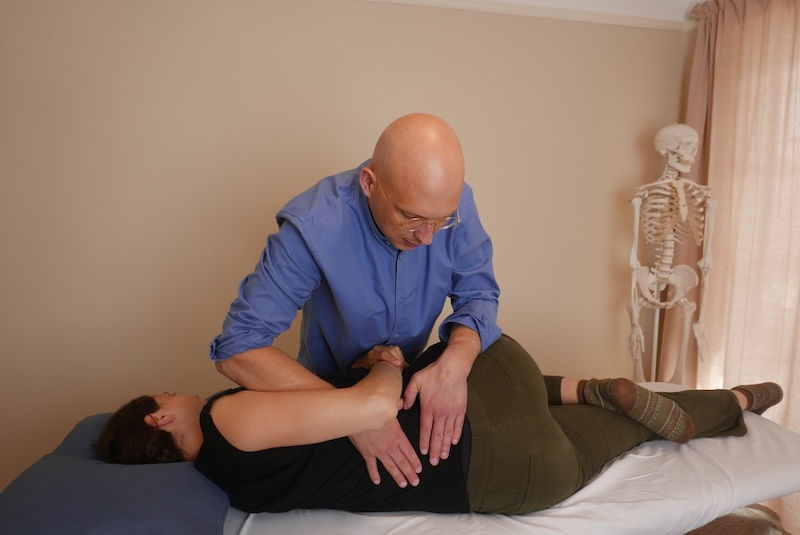
Structural osteopathy focuses on how the body's muscles, joints, ligaments, fascia and connective tissues work together to support efficient movement, stability and overall health.
Using detailed observation, skilled palpation and clinical assessment, structural osteopaths identify areas of restriction, altered movement and tissue imbalance that may be contributing to pain, stiffness or reduced function. Treatment is always tailored to the individual, recognising that symptoms are often influenced by relationships between different parts of the body rather than arising from a single area.
Throughout life, the body adapts to injuries, repetitive strain, poor posture, illness and the physical demands of daily living. While these adaptations are often beneficial in the short term, they can become established over time, leading to patterns of tension and compensation that may reduce the body's ability to move and function with ease.
Treatment is guided by the individual's needs and the body's response, using a range of hands-on techniques to improve movement, reduce unnecessary tension and support healthier function. By addressing the underlying causes of pain rather than simply managing symptoms, structural osteopathy aims to promote long-term resilience, comfort and wellbeing.
Structural Osteopathy
Visceral Osteopathy
Visceral osteopathy is a gentle approach that focuses on the mobility and function of the body's internal organs and the connective tissues that support them. It is based on the understanding that the organs, muscles, fascia and skeleton work together as one integrated system, with restrictions in one area potentially influencing function elsewhere in the body.
Using skilled palpation, the osteopath assesses the natural movement and relationships of the organs and surrounding tissues. Previous surgery, injury, illness, inflammation or prolonged stress may reduce this mobility and contribute to tension, discomfort or altered function.
Treatment uses gentle, precise techniques to encourage improved movement and balance within the tissues, supporting the body's natural capacity to adapt and regulate itself. By helping restore harmony between the organs and the rest of the body, visceral osteopathy aims to improve overall function and contribute to long-term health and wellbeing.
